
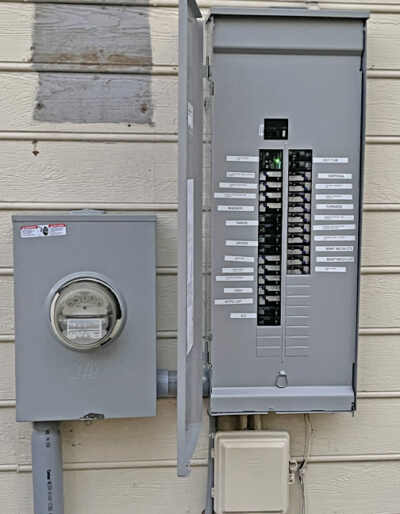
What is involved in upgrading an electrical panel?
An electrical panel upgrade is a significant project that involves enhancing your home’s electrical capacity, safety, and efficiency. Here’s a detailed description of what such a project typically entails:
Electrical Panel Upgrade:
This project aims to upgrade the existing residential electrical service panel to a modern, adequately sized unit, enhancing the home’s electrical capacity, safety, and compliance with current electrical codes. This upgrade is typically necessary for homes with outdated fuse boxes, undersized circuit breaker panels, frequent tripped breakers, flickering lights, or plans for adding high-demand appliances (e.g., EV chargers, large HVAC systems, induction cooktops).
Project Objectives:
- Increase Electrical Capacity: Provide sufficient amperage (e.g., from 100A to 200A or higher) to meet current and future household electrical demands.
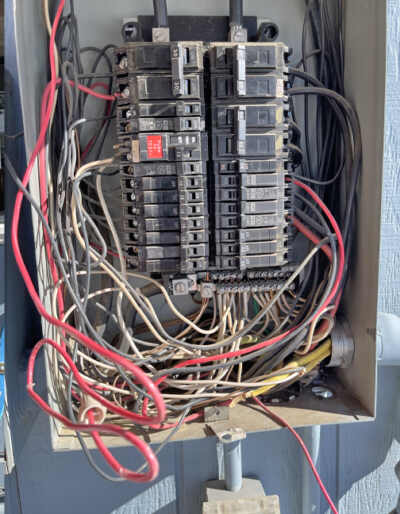
- Enhance Safety: Replace old, potentially hazardous panels (e.g., Federal Pacific, Zinsco) with new, compliant equipment, incorporating modern safety features like Arc Fault Circuit Interrupters (AFCIs) and Ground Fault Circuit Interrupters (GFCIs) where required by code.
- Improve Reliability: Eliminate frequent breaker trips and inconsistent power supply, ensuring stable electricity for all appliances and systems.
- Code Compliance: Bring the home’s electrical service entrance and grounding system up to the latest National Electrical Code (NEC) and local jurisdiction requirements.
- Future-Proofing: Prepare the home for future electrical needs, such as solar panel installation, electric vehicle charging, or significant home renovations.
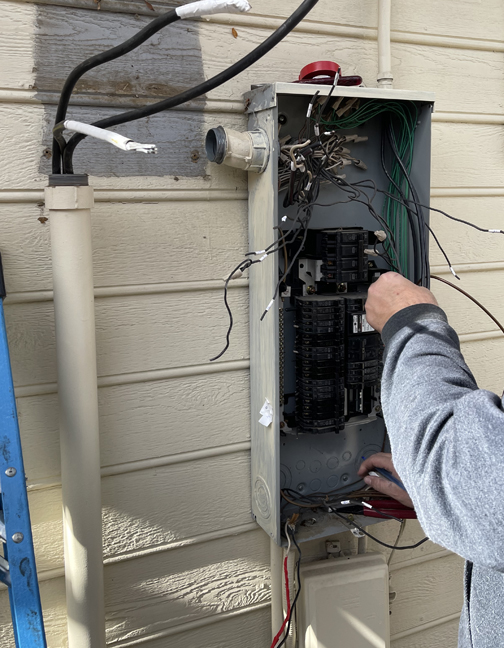
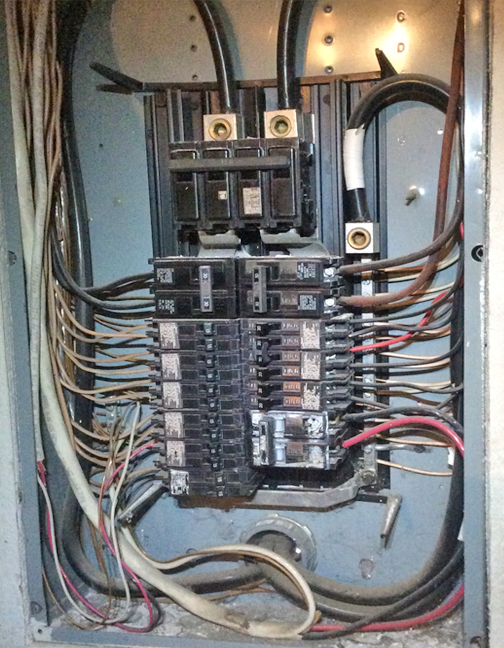


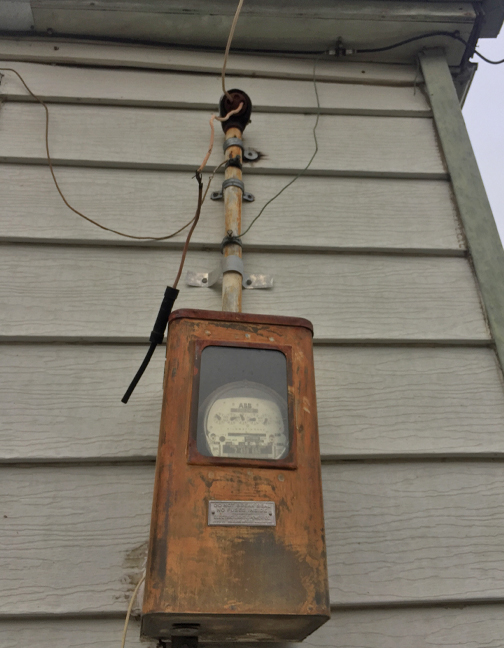
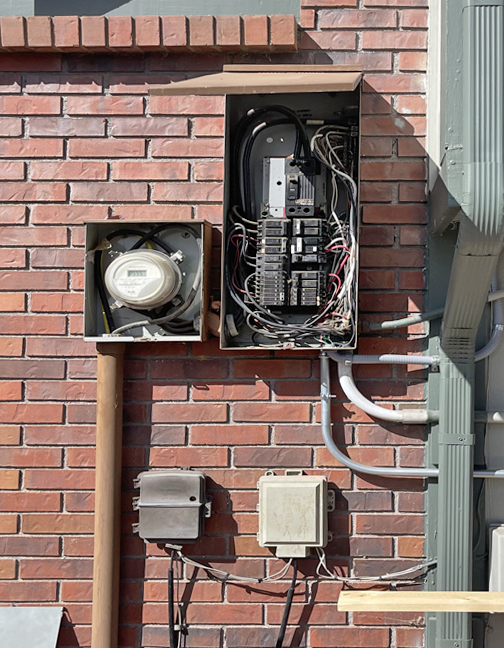
Scope of Work (Typical Inclusions):
- Initial Assessment & Load Calculation:
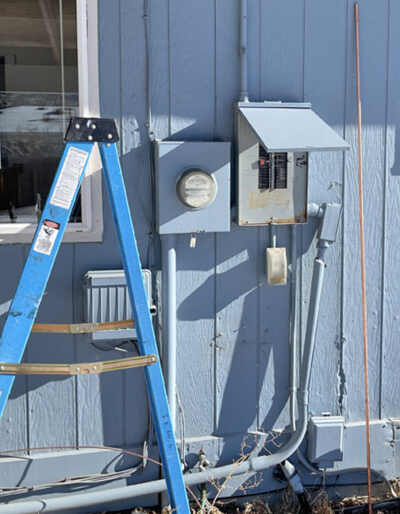
- Thorough inspection of the existing electrical panel, meter base, service entrance conductors, and grounding system.
- Perform an electrical load calculation to determine the appropriate new amperage rating required for the home’s current and projected electrical demands.
- Permitting & Coordination:
- Obtain all necessary permits from the local building authority in Dakota Ridge, Colorado.
- Coordinate with the local utility company for power shut-off and re-connection services on the day of the upgrade.
- Removal of Existing Equipment:
- Safe disconnection and removal of the existing electrical panel, breakers, and associated wiring from the main service entrance.
- Proper disposal of old electrical components.
- Installation of New Main Service Panel:
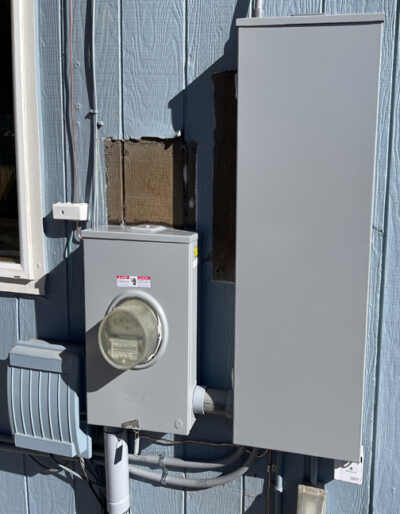
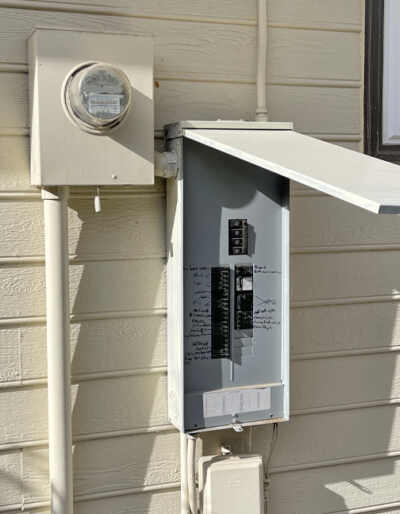
- Supply and install a new, appropriately sized (e.g., 200-amp) electrical panel and main breaker.
- Install new circuit breakers for all existing and any newly required circuits.
- Ensure proper labeling of all circuits within the new panel.
- Service Entrance & Conductor Upgrade (if necessary):
- Upgrade the main service entrance conductors (from the utility connection point to the new panel) to accommodate the increased amperage.
- Replace or upgrade the meter base if required by the utility company or for code compliance.
- Grounding System Upgrade:
- Install or upgrade the grounding electrode system to meet current NEC standards, including connection to cold water pipes and/or ground rods.
- Circuit Reconnection & Testing:
- Carefully re-connect all existing branch circuits to the new panel.
- Conduct thorough testing of all circuits to ensure proper voltage, continuity, and functionality.
- Safety Device Installation (as required):
- Install Arc Fault Circuit Interrupters (AFCI) in bedrooms and other living areas as per code.
- Install Ground Fault Circuit Interrupters (GFCI) for bathrooms, kitchens, garages, and outdoor receptacles.
- Whole-House Surge Protection (Optional/Recommended):
- Installation of a whole-house surge protector directly at the electrical panel to safeguard sensitive electronics from power surges.
- Final Inspection:
- Schedule and facilitate all required inspections by the local electrical inspector.
Project Duration: Typically 1 full day for the primary installation, with power interruption for approximately 6-8 hours. Additional time may be required for utility coordination and inspections.