
Electrical Codes That Keep You Safe: NEC and NFPA Explained
What is the National Fire Protection Association (NFPA)?
The National Fire Protection Association (NFPA) is a global, non-profit organization dedicated to eliminating death, injury, property, and economic loss due to fire, electrical, and related hazards.
Think of the NFPA as the parent organization that publishes a vast library of safety standards. They bring together a consensus of experts—from electricians and engineers to insurance representatives and government officials—to develop guidelines that define safe practices.
Key NFPA Facts:
- Mission: To provide information and knowledge to reduce loss from fire and other risks.
- Publications: They produce over 300 consensus codes and standards, covering everything from fire sprinklers (NFPA 13) to electrical safety in the workplace (NFPA 70E).
- The Big Connection: The NFPA is the official publisher and sponsor of the National Electrical Code.
The Gold Standard: NFPA 70, The National Electrical Code (NEC)
The National Electrical Code (NEC) is the single most important document governing electrical installations in the United States and many other parts of the world. It is formally known as NFPA 70.
The NEC is not a federal law, but rather a model code or standard. Its power comes from the fact that it is almost universally adopted by state and local governments. When a municipality adopts the NEC (often with minor local amendments), it becomes law in that jurisdiction.
What the NEC Does:
The purpose of the NEC is the “practical safeguarding of persons and property from hazards arising from the use of electricity.” It covers the minimum requirements for the installation of electrical wiring and equipment in nearly all public and private premises, including:
- Residential homes and apartments.
- Commercial buildings and offices.
- Industrial facilities.
NEC Chapter Focus
| NEC Chapter Focus | What It Covers |
|---|---|
| Wiring & Protection | Requirements for circuit breakers, fuses, and overcurrent protection to prevent fires. |
| Grounding & Bonding | The foundation of electrical safety—how to properly connect the electrical system to the earth to safely disperse fault currents. |
| Wiring Methods & Materials | Rules on the type of wires, cables, conduits, and raceways to be used in various environments. |
| Special Equipment | Dedicated articles covering modern technology like Electric Vehicle (EV) chargers, Solar Photovoltaic (PV) systems, and Energy Storage Systems (ESS). |
Keeping Up with the Times
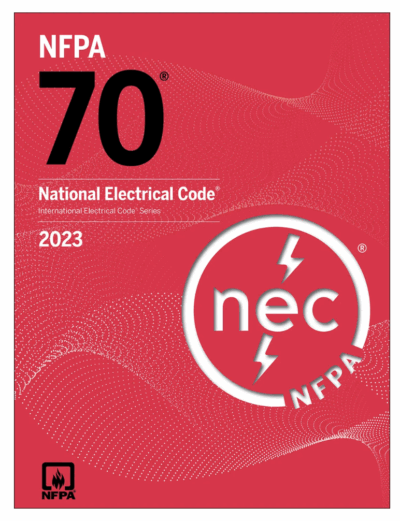
The electrical world is constantly evolving, with new technology like smart homes and battery backup systems emerging every year. To keep safety standards current, the NFPA updates and publishes a new edition of the NEC every three years.
For professionals—electricians, engineers, and inspectors—staying current with the latest code year (like the 2023 or upcoming 2026 edition) is absolutely essential for compliance and safety.
Why Compliance Matters to You
Whether you are an electrical professional or a homeowner, understanding these codes is critical:
- Safety is Non-Negotiable: The NEC is a roadmap to prevent fires, electrocution, and property damage. Compliance is literally a life-saving measure.
- Legal Requirement: Any electrical work performed must pass an inspection by the local Authority Having Jurisdiction (AHJ), who uses the adopted NEC edition as their checklist. Non-compliant work will fail inspection and require costly rework.
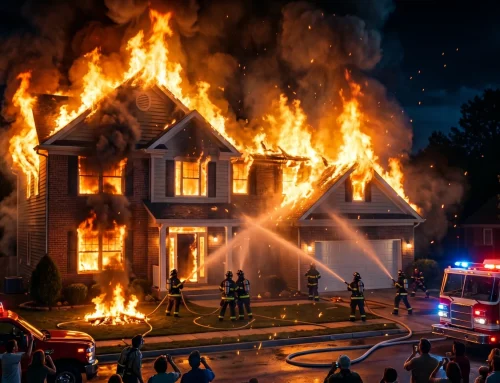
- Insurance and Liability: In the event of an electrical fire or incident, insurance claims may be jeopardized if the installation is found to be non-compliant with the code adopted at the time of construction or modification.
The relationship between the NFPA and the NEC is simple: the NFPA publishes the code, and the code dictates the minimum standards for electrical safety that you rely on every day.
For more information, please visit, Why NFPA CODES AND STANDARDS MATTER.