
Electrical Wiring Inspection for Older Denver Homes: What to Know
Many Denver homes were built long before today’s electrical needs were even on the radar. It’s strange to think about now, but these houses weren’t set up for EV chargers, solar panels, heat pumps, or dozens of smart devices quietly using power all day. When a home is 40, 50, or even 100 years old, the wiring behind the walls often no longer fits current safety standards. That’s where an electrical wiring inspection starts to matter, during normal daily use, not just after something breaks. Older systems simply weren’t made for modern electrical loads, and over time, that gap tends to show.
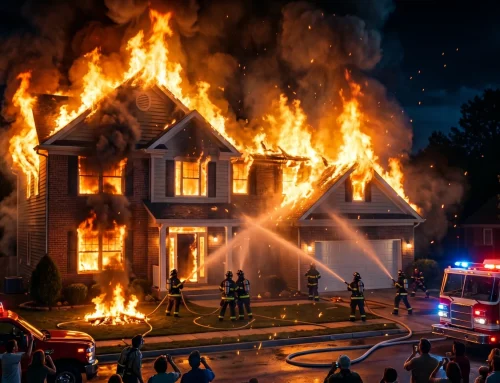
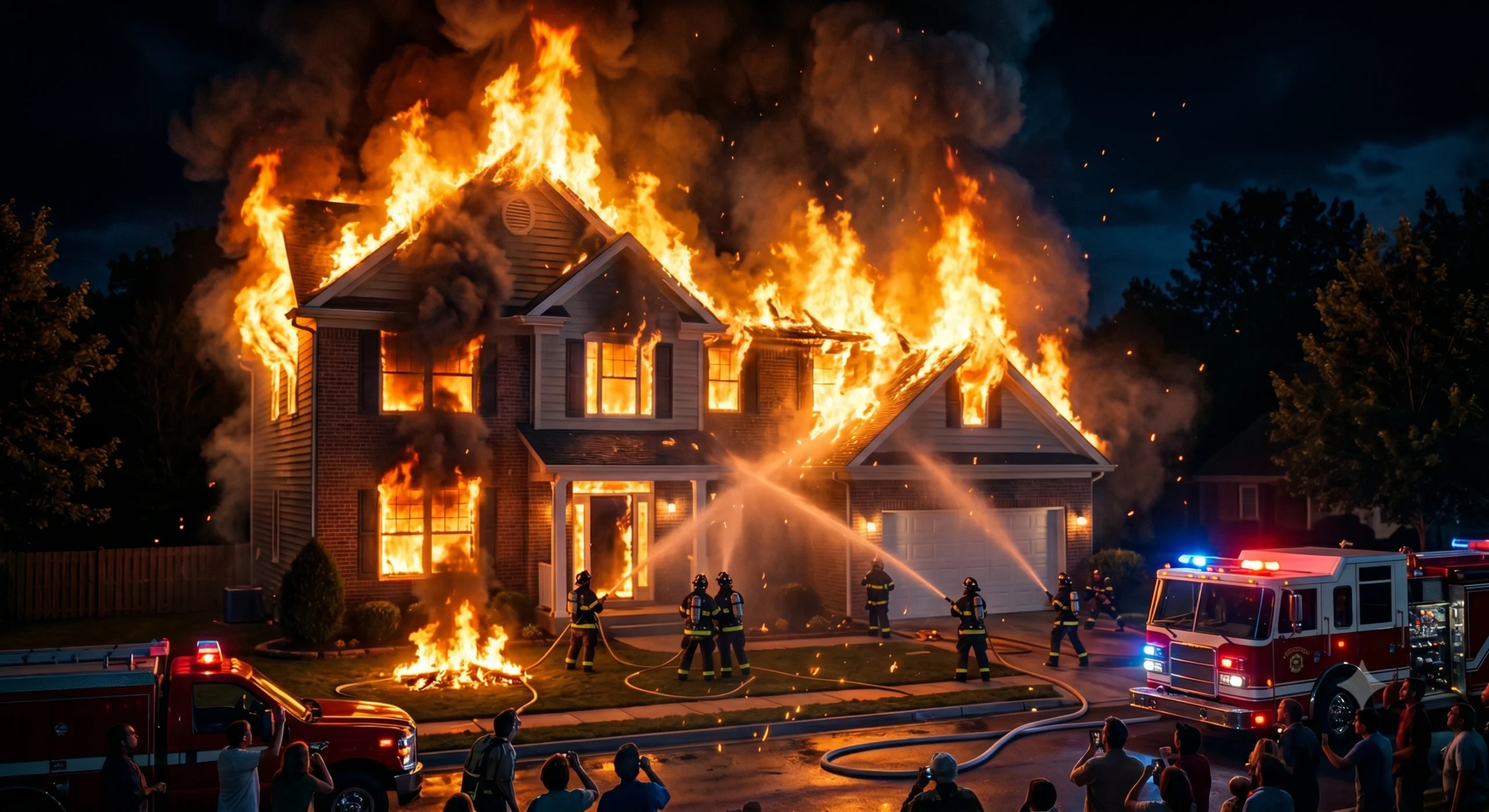
Electrical Inspections are useful because they spot hidden problems early, before they turn into fires or costly repairs that catch homeowners off guard. In Denver, electrical safety in older homes deserves extra attention. Cold winters and dry air can put added stress on wiring year after year. Many homeowners don’t think about electrical inspections until they’re planning a remodel or getting ready to sell (you might be nodding). By then, small issues often have had years to quietly grow.
This guide explains what an electrical wiring inspection usually includes and why NEC compliance matters, especially in older Denver homes where it often counts most. It also covers how often electrical inspections are recommended and what electricians look for, including how upgrades like solar systems or EV chargers can strain aging wiring. For homeowners or business owners looking for code-aware electrical help, teams like IE and S handle these situations across Denver Metro Area regularly, such as checking a 1960s panel before adding a new charger.
Why Older Colorado Homes Need Electrical Wiring Inspections
Recent home inspection data shows a clear pattern: about 1 in 5 homes inspected have major electrical hazards, and another 15% have clear electrical problems. This usually isn’t random. These issues show up much more often in homes built before 1980, which make up a big share of houses across Denver and along the Front Range, especially in older neighborhoods. Older homes definitely have charm, that’s often why people love them, but their electrical systems were designed for a time with fewer appliances and much lighter use. Power needs were simpler back then, and the wiring often shows it.
| Electrical Risk Factor | Estimated Rate | Notes | |
|---|---|---|---|
| Major electrical hazards | ~20% of homes | Often found during inspections | |
| Electrical problems found | ~15% of homes | Loose wiring, outdated panels | |
| Homes likely with outdated wiring | High before 1980 |
|
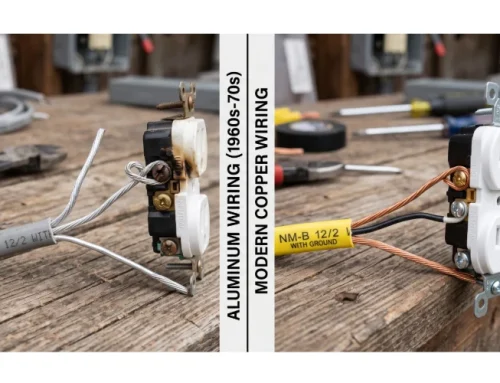
Many older Denver homes still use aluminum wiring or knob-and-tube systems, and some have service panels that are just too small for modern living (we see this often). This affects daily use. These systems can overheat when modern loads push them too hard. Space heaters and EV chargers use far more power than older systems expect, and with long, cold winters and more electric heating, the risk can climb fast.
Understanding NEC Compliance and Why It Matters
Across the U.S., the National Electrical Code, usually called the NEC, sets clear safety rules for electrical systems. Colorado follows the 2023 NEC, and most local areas enforce it during inspections and remodels, especially when permits are required. Compliance isn’t about being perfect, and it never really was. It’s about cutting down everyday risks that can lead to shocks, fires, or damaged equipment. In real life, that usually means a safer, more comfortable home.
The purpose of the National Electrical Code is the practical safeguarding of persons and property from hazards arising from the use of electricity.
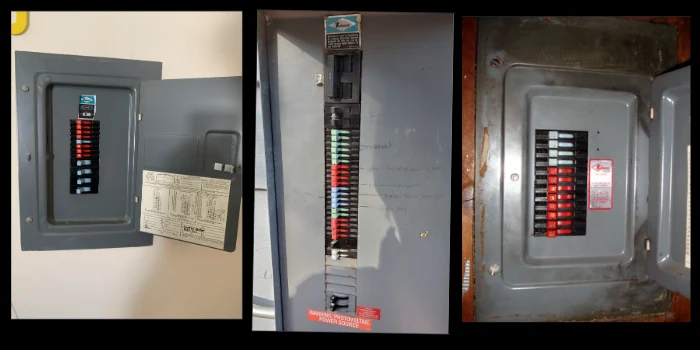
Older homes are where this really shows up. Wiring that worked fine for decades can still miss today’s standards, which often catches homeowners off guard. Missing grounding, no GFCI or AFCI protection, poor labeling, and outdated breaker panels are common issues, electricians see these often.
Counties like Jefferson County watch grounding and surge protection closely. That’s why NEC compliance matters even more when adding solar panels or EV chargers. These upgrades put new strain on older systems, and those systems have to hold up during inspection.
What Happens During an Electrical Wiring Inspection?
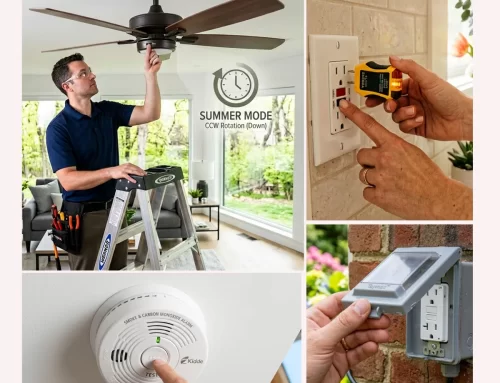
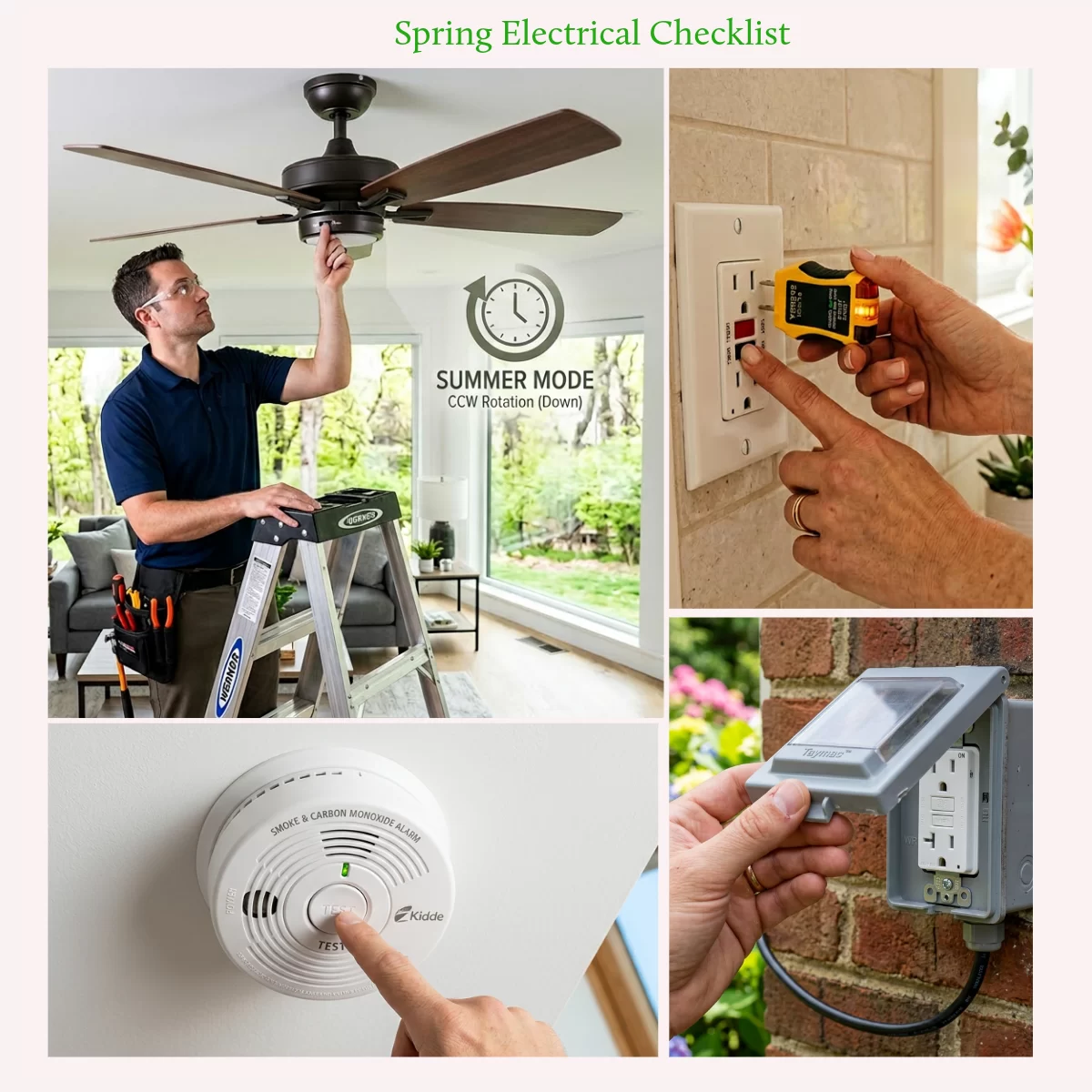
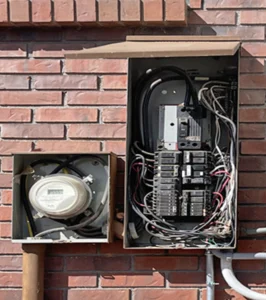
An electrical wiring inspection is usually detailed without causing much disruption. One nice thing is that electricians almost never open walls unless there’s a clear reason to worry, which isn’t common. Most of the time, they look at areas that are already visible or easy to access. This includes the service panel, breakers, grounding, outlets, and switches, along with exposed wiring in basements and attics, the dusty spots many homeowners ignore. This method usually avoids mess and limits guesswork, which helps people feel more comfortable while the inspection is happening.
Electricians also watch for warning signs like overheating, corrosion, or DIY changes that can lead to safety issues. In older Denver homes, it’s normal to find mixed wiring, un-permitted circuits, overloaded panels, or older parts that weren’t built for today’s power needs. The goal is to make sure the system handles electrical loads safely without strain, which often brings peace of mind.
| Inspection Item | Why It Matters | Common Issues in Older Homes | |
|---|---|---|---|
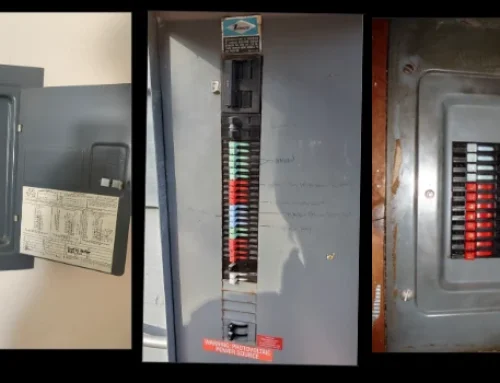
| Service panel | Controls power and protection | 60-amp panels, worn breakers | |
| Grounding system | Prevents shock and fire |
| |
| Outlets and circuits | Daily use safety | No GFCI or AFCI protection |
Common Electrical Problems Found in Older Denver Homes
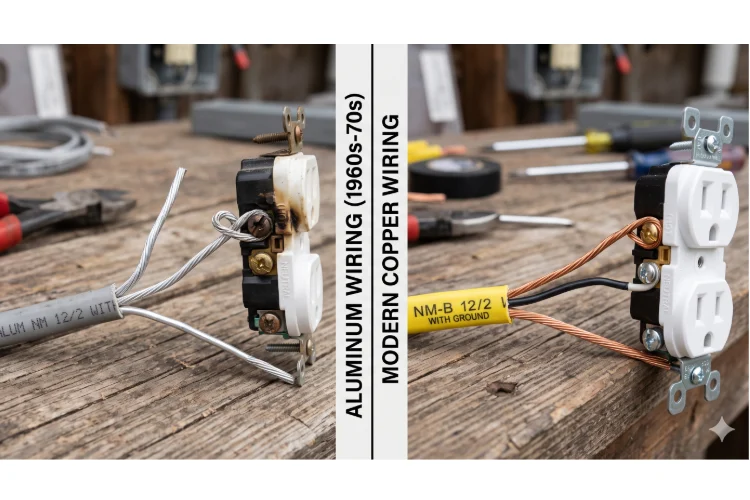
When electricians look at older Denver homes, a few electrical issues tend to appear again and again. Aluminum wiring, widely used in the 1960s and 1970s, often loosens over the years, which is pretty common in this climate. That kind of wear raises the chance of overheating or fires, and that’s a real concern for people living there. Knob-and-tube wiring goes back even further, mostly in homes from the early 1900s. It has no grounding and often can’t handle the number of devices families rely on today, especially with remote work or modern appliances.
Another frequent finding is undersized electrical service. Homes from the 1940s or 1950s often still run on 60-amp panels, which is well below today’s expectations. Current standards usually land closer to 100 to 200 amps, especially if solar panels or EV chargers are involved. Angi research points out that homes built before 1960 and never rewired often face higher safety risks as insulation breaks down and capacity stays limited (Angi).
DIY electrical work adds another wrinkle. Over time, homeowners may install outlets or lighting without permits. Those updates often skip NEC requirements and leave hidden hazards behind, which can be risky.
How Inspections Connect to Solar, EVs, and Energy Upgrades
Across Denver, homeowners are adding solar panels and EV chargers faster than ever. These upgrades often lower energy bills, which helps explain why so many people want them. At the same time, they can put extra stress on older wiring that wasn’t built for today’s electrical loads, and that’s a real concern in my view. Recent NEC updates show this change, calling for clearer labeling and more detailed load calculations as overall demand keeps rising.
So what happens before installation? In most areas, an electrical wiring inspection is required before solar or a Level 2 EV charger is installed, no real surprise there. Electricians usually check whether the electrical panel can handle the added load, along with grounding and surge protection. Small details often matter. Homes with older panels often need upgrades first, and that work usually has to be done before approval.
This process protects the investment and often pays off. A compliant system helps equipment run smoothly without nuisance trips or failed inspections later, lowering the risk of costly rework. For businesses, similar rules often apply when adding charging stations or backup power systems.
When to Schedule an Inspection and What to Do Next
Flickering lights or warm outlets are often the most telling clues. These early warning signs usually mean something needs attention sooner rather than later, and yes, they often get worse over time. For older homes, especially those over 40 years old with a mix of updates, experts usually recommend electrical wiring inspections every 3 to 5 years. It’s also a good idea to book one before buying an older property or when planning to add high‑demand equipment like a new HVAC system or an EV charger.
Not every issue found during an electrical inspection leads to full rewiring, which is often a relief. After the inspection, it really helps to read the report instead of skimming it (tempting, I know). Start with clear safety hazards, then move on to NEC compliance items connected to future plans. Some fixes are simple, like adding GFCI outlets in a kitchen or improving grounding. Others may point to panel upgrades or partial rewiring, depending on how the space will be used.
The Bottom Line for Older Home Electrical Safety
For older Denver homes, electrical safety often needs extra care. Years of daily use, along with local weather, can quietly wear on wiring. Snow, heat, and simple aging all add up over time. Today’s energy use can also strain systems that were never designed for modern loads. An electrical wiring inspection can uncover hidden risks and check NEC compliance. It also helps homeowners understand what needs fixing now and what can wait, which removes a lot of guesswork and stress.
It’s usually easier to make good choices once common trouble spots, inspection timing, and upgrades like solar panels or EV chargers are clear. Looking at the full system instead of one small fix often makes a real difference. Regular inspections can reduce fire risk and help avoid surprise failures that hurt long‑term property value, making ownership feel more manageable.
For Denver homeowners and businesses, staying informed and acting early often go together. Taking action sooner can mean safer systems, fewer expensive problems, and fewer late‑night worries.