Spring cleaning isn’t just about scrubbing floors! 🧼 Your home’s electrical system needs a seasonal refresh, too. After a long winter, minor issues can turn into major hazards.
Check out our Spring Electrical Checklist:
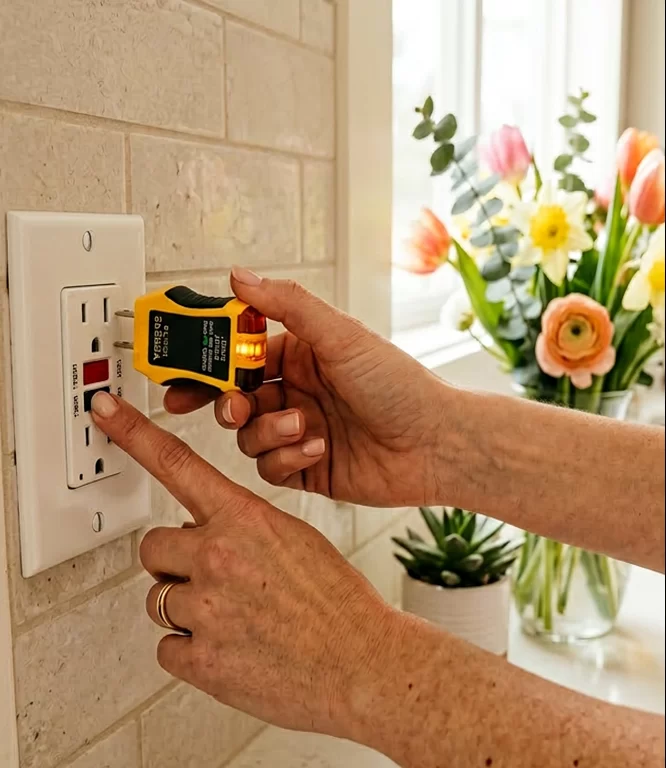
✅ Test GFCIs: Hit the “test” button in your kitchen and baths.
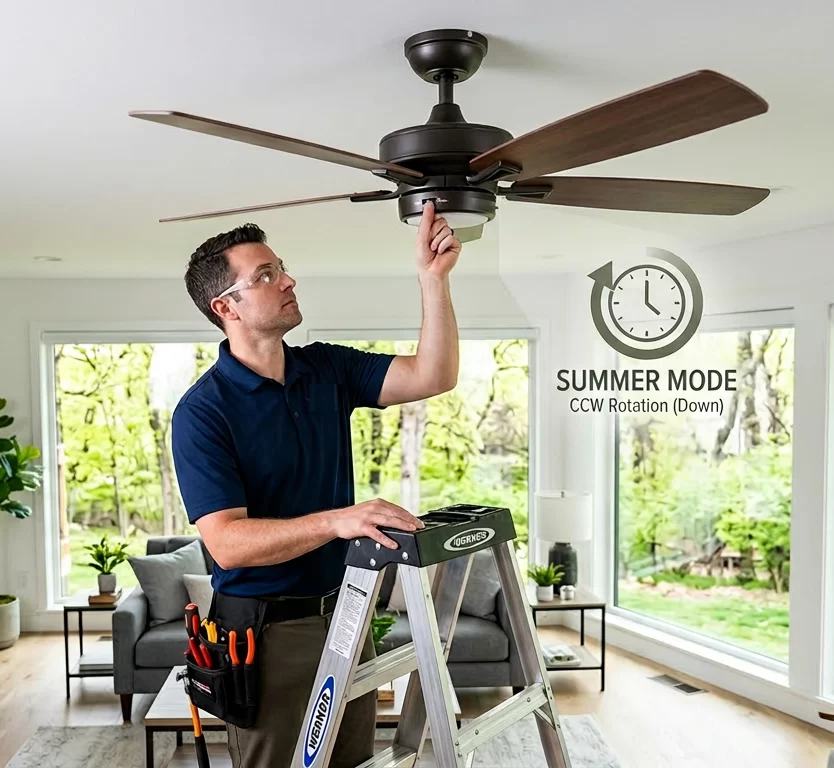
✅ Flip the Fans: Set ceiling fans to rotate counterclockwise for a cool breeze.
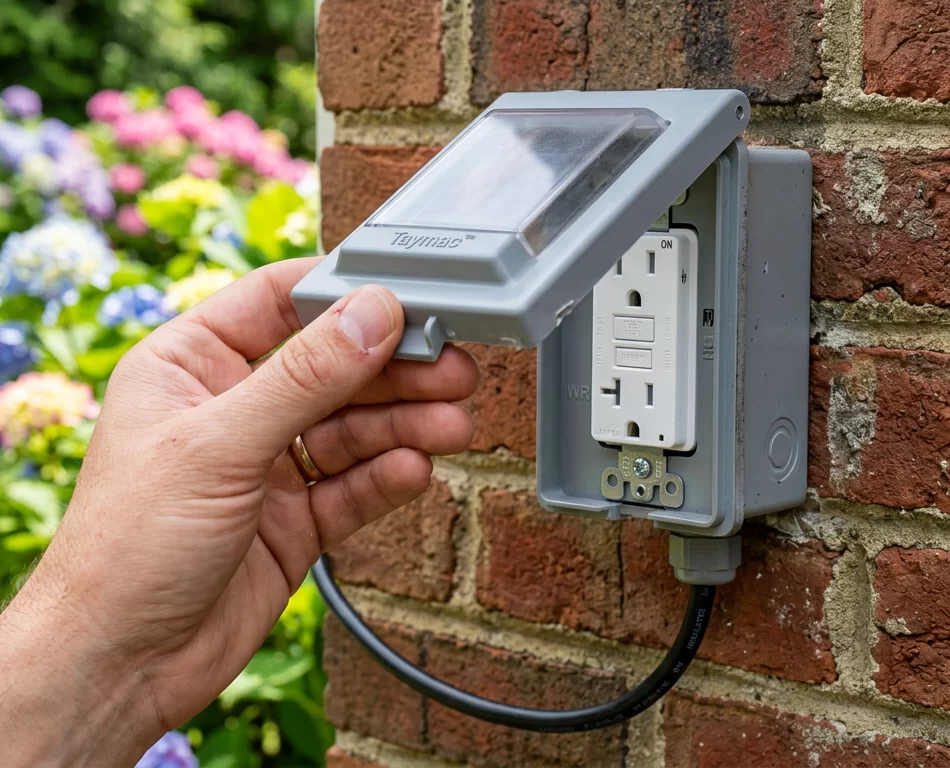
✅ Inspect Outdoors: Look for frayed wires or cracked covers on exterior outlets.
✅ Check Detectors: Swap those smoke alarm batteries!
Don’t let a small spark turn into a big headache. Need a professional eyes-on inspection? We’re here to help! 💡
Follow this Spring Electrical Checklist to ensure your home is powered up and protected.
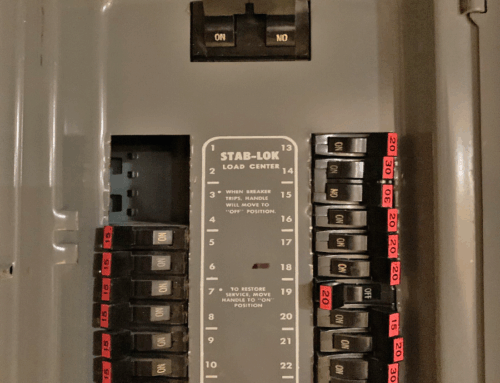
1. Evaluate the Electrical Panel
The panel is your home’s electrical hub. It deserves a close look at least once a year.
-
Check for Red Flags: Listen for buzzing and look for scorch marks or tripped breakers. These are signs of overloaded circuits.
-
Modernize: If you’re still using a fuse box or an outdated panel, consider an upgrade to meet the high power demands of modern appliances.
-
Professional Eyes: If anything looks or smells “off,” call a licensed electrician immediately.
2. Test Safety Outlets (GFCI & AFCI)
These specialized outlets are designed to prevent shocks and fires in high-risk areas like kitchens and bathrooms.
-
The Test: Press the “Test” button to ensure it cuts power, then hit “Reset.”
-
The Feel: If an outlet feels warm to the touch or fails to reset, it’s a fire hazard that needs replacing.
3. Audit Outdoor Wiring & Fixtures
Winter ice and moisture can be brutal on exterior electrics.
-
Cable Integrity: Inspect outdoor cords and wires for cracks or fraying.
-
Weatherproofing: Ensure all outdoor outlets have secure, weatherproof covers.
-
Efficient Lighting: Check your landscape lighting. If you’re still using old bulbs, spring is the perfect time to switch to LEDs for better durability and lower energy bills.
4. Prep Ceiling Fans for Summer
Before the heat hits, give your fans a quick tune-up.
-
Deep Clean: Wipe down blades to keep dust and allergens from flying around.
-
Mechanical Check: Tighten any loose screws to eliminate wobbling or clicking noises.
-
Switch Direction: Set your fan to rotate counterclockwise. This creates a downdraft that provides a cooling breeze.
5. Review Cords and Power Strips
Extension cords are temporary fixes, not permanent wiring solutions.
-
Fire Safety: Never run cords under rugs or furniture, as trapped heat can lead to a fire.
-
Physical Check: Discard any power strips with frayed wires or exposed conductors.
-
Permanent Fix: If you’re constantly daisy-chaining power strips, it’s time to have a professional install more permanent outlets.
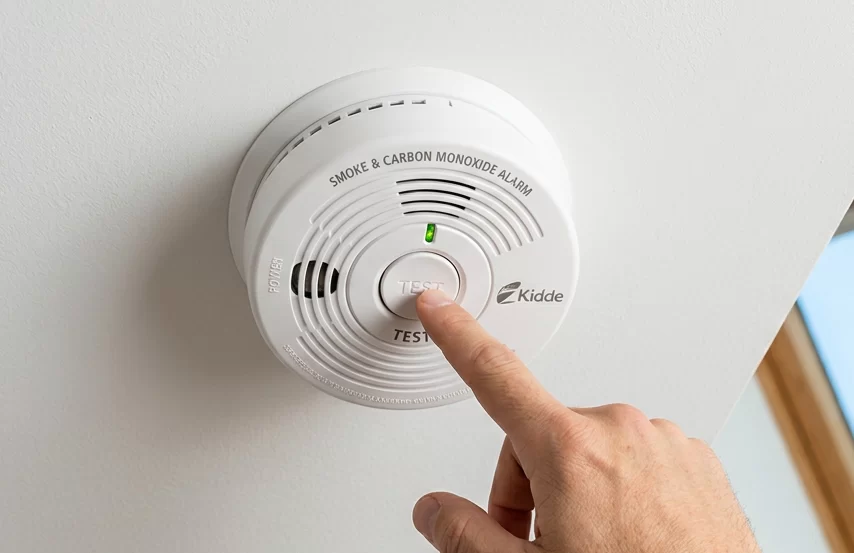
6. Refresh Life-Safety Detectors
Spring and Fall are the standard milestones for checking your smoke and carbon monoxide detectors.
-
Battery Swap: Replace the batteries even if they haven’t started “chirping” yet.
-
Expiration Date: Check the manufacture date on the back; most smoke detectors expire after 10 years.
Why Hire a Pro?
While DIY checks are great for maintenance, a licensed electrician can spot hidden risks that the naked eye misses. They can ensure your home is fully up to code, identify outdated wiring behind your walls, and suggest upgrades that reduce your monthly utility costs.