
🔥 Urgent Safety Warning: Aluminum Wiring
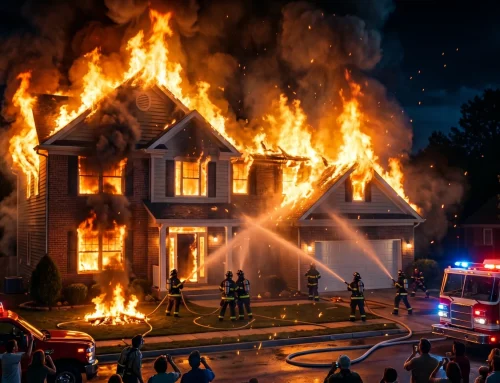
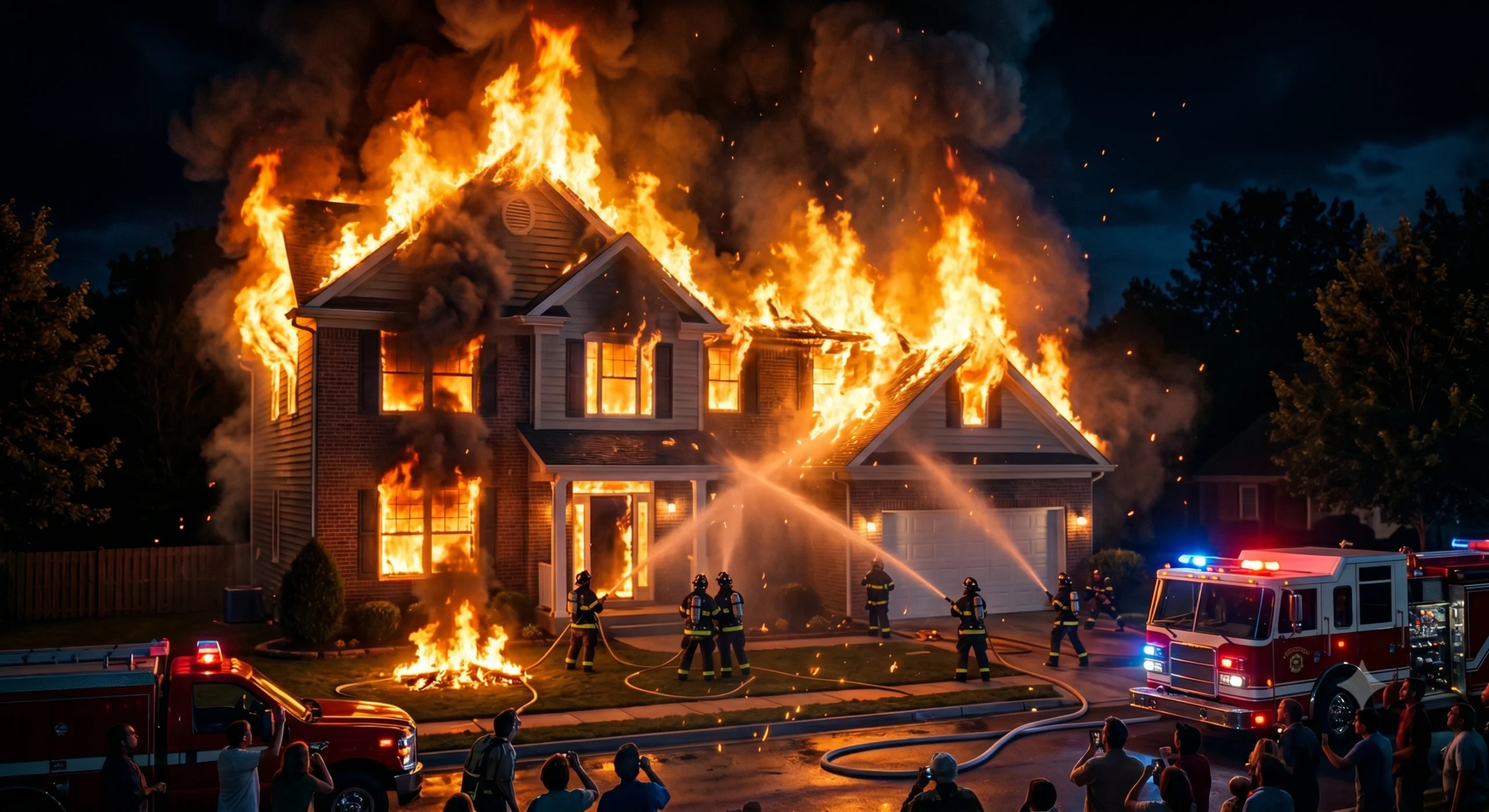
Solid-conductor aluminum wiring is a major fire and safety risk that needs to be properly remediated or replaced. Installed in millions of residential homes primarily between 1965 and 1973, these electrical systems are widely considered hazardous by safety experts, insurance companies, and the electrical industry.
What Is Aluminum Wiring?
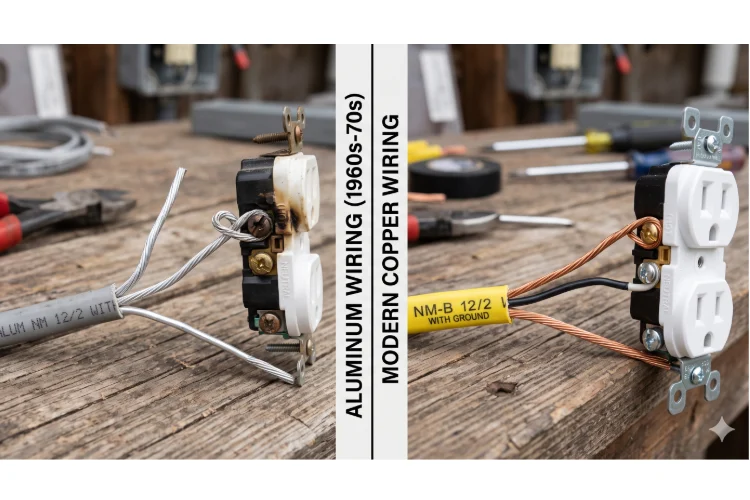
Between the mid-1960s and mid-1970s, rising copper prices led many homebuilders to seek a more affordable alternative for residential electrical systems. As a result, single-strand aluminum wiring was commonly installed in branch circuits—the wires that supply power to outlets, switches, and lighting fixtures throughout a home.
Aluminum is an excellent electrical conductor and remains widely used today in utility power lines and large electrical service feeders. However, its use in standard residential branch-circuit wiring introduced safety concerns that were not fully understood at the time.
Why is Aluminum Wiring Dangerous?
The fundamental issues with residential aluminum wiring relate to the critical safety function of your home’s electrical distribution system.
Expansion and Contraction (Fire Risk): Aluminum expands and contracts significantly more than copper when heated by electrical current. This phenomenon, known as “cold flow,” causes connection points to gradually loosen over time. This creates gaps that lead to severe overheating and fire hazards.
Oxidation and Galvanic Corrosion (Fire/Arcing Risk): When aluminum is exposed to air, it quickly oxidizes, creating a high-resistance oxide layer that generates excessive heat buildup. Furthermore, when aluminum comes into contact with dissimilar metals (like copper or standard brass receptacles), galvanic corrosion occurs. This poor connection causes arcing (sparks), which can easily ignite surrounding insulation and building materials.
Hidden Degradation (Shock/Fire Risk): Unlike other electrical failures, aluminum wire degradation often happens silently inside walls, switches, and receptacles without initially tripping circuit breakers. This poses a severe danger, as connections can be dangerously hot or compromised while appearing completely functional to the homeowner.
Outdated Material Standards: Investigations and historical data from the Consumer Product Safety Commission (CPSC) revealed that solid-conductor aluminum wire manufactured in the 1960s and 1970s failed to maintain stable, safe connections under typical residential load cycles, making it inherently prone to failure.
What to Do If You Have Aluminum Wiring
The overwhelming consensus in the electrical industry is that these wiring systems must be properly remediated or replaced entirely to ensure safety.
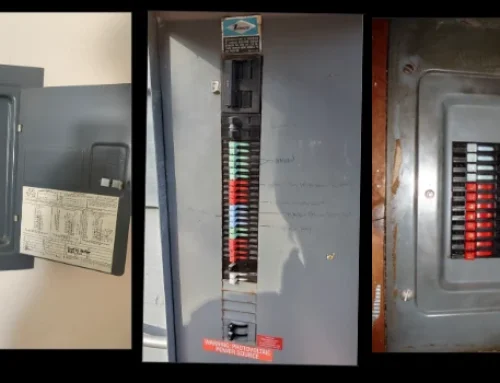
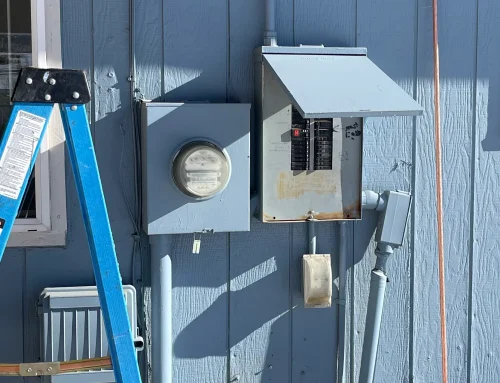
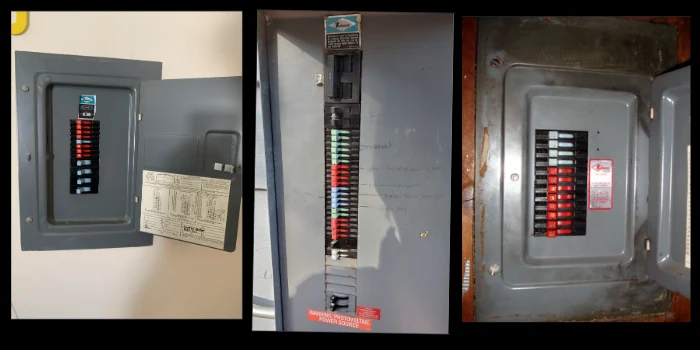
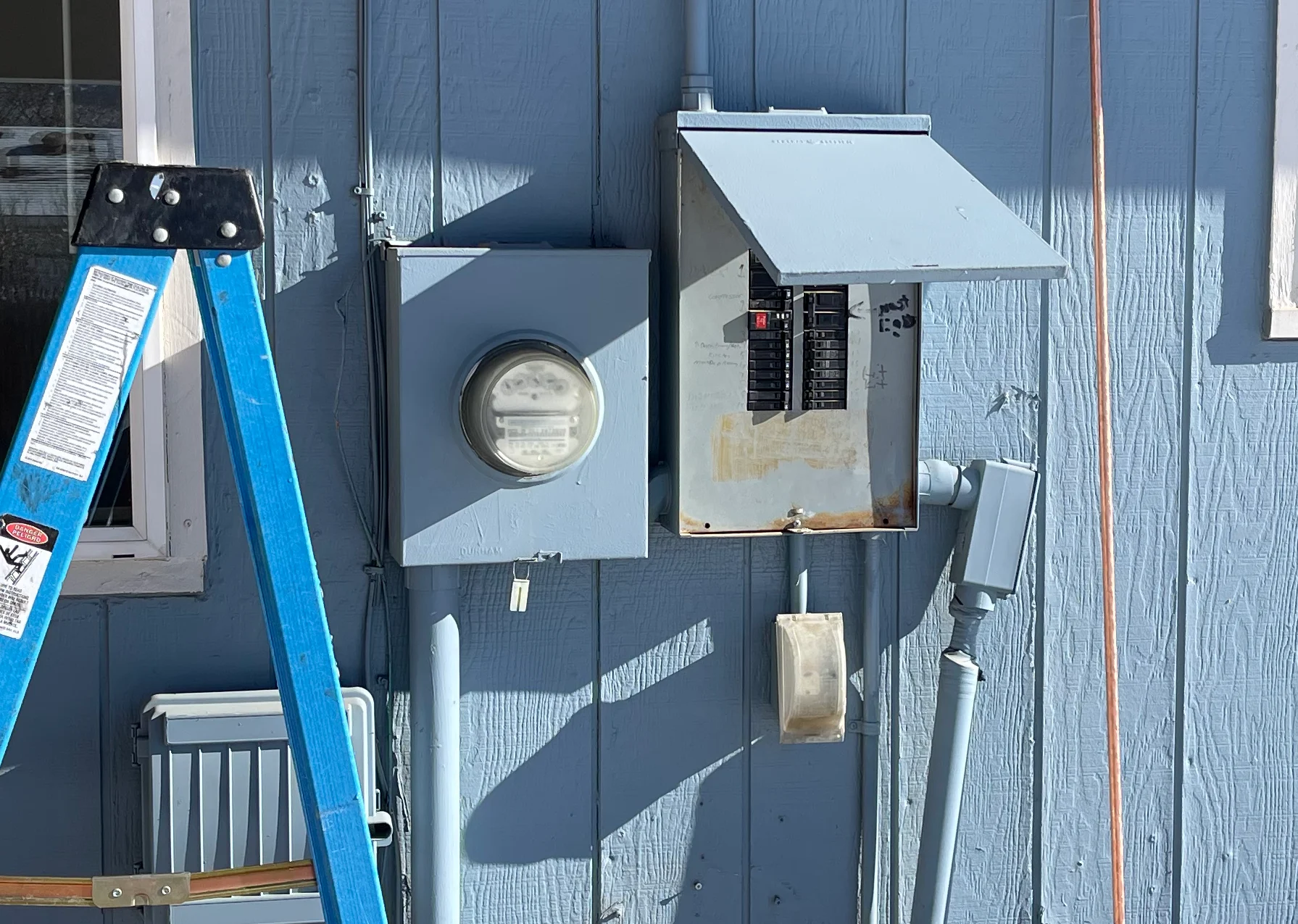
Identify Your Wiring: Look at the exposed cables in your basement, attic, or electrical panel. Look for the word “Aluminum,” “Alum,” or the abbreviation “AL” stamped or printed on the plastic wire jacket.
Contact a Qualified Electrician: If you confirm your home has aluminum wiring, the only safe and recommended course of action is to have it inspected and updated by a licensed and qualified electrician.
Do NOT Attempt Self-Repair: Simply twisting copper extensions onto aluminum wires using standard wire nuts will not eliminate the underlying safety issues and can actually increase the risk of fire. Do not attempt to work on the wiring yourself.
Does Your Home Have a Hidden Fire Risk? The Aluminum Wiring Controversy
Should I Replace My Aluminum Wiring?
Your home may still be powered by an electrical system that has been at the center of decades of safety concerns: solid-conductor aluminum wiring installed primarily between 1965 and 1973.
The central and most critical concern is whether these branch circuit wires are prone to failing at termination points when typical electrical loads occur. A failure at these connections means that excessive heat continues to build up silently behind your walls, leading to the overheating of devices and a severe fire hazard.
The Crucial Question for Homeowners
Despite years of controversy, updated safety codes, and specialized remediation methods, homeowners are still faced with a vital safety decision: Are homes with aluminum wiring dangerous? The consensus among safety experts, insurance companies, and the electrical industry is a resounding yes, and professional remediation or total replacement is highly recommended. Learn more about the CPSC Aluminum Wiring Safety Guidelines.
Identifying the Hazard: Look for Single-Strand Aluminum
A major challenge for homeowners is simply realizing that they have this dangerous equipment installed. While many look for the “AL” stamp on visible wires, there is a key distinction to understand: while multi-strand aluminum wire is still safely used today for heavy-fed main service lines, it is the single-strand, solid aluminum branch wiring used for standard 15-amp and 20-amp light and outlet circuits that poses the severe fire risk.
Interstate Electric and Solar – Your Certified Aluminum Wiring and Remediation Experts
Interstate Electric and Solar takes your home’s safety seriously. Our electricians are certified aluminum wiring experts, offering professional remediation service, Copalum crimping, and thorough electrical safety inspections. We don’t take shortcuts—we assess your entire electrical system, recommend the best solutions, and complete the job with precision.
Trusted Aluminum Wiring Services and Remediation
We provide reliable aluminum wiring remediation (using approved repair methods like AlumiConn or Copalum connectors) and full home rewiring to protect your family. If your home’s electrical system is outdated, experiencing flickering lights, or has warm switch plates, don’t wait—protect your home’s power today with modern, safe copper wiring via a professional system upgrade. Visit our Interstate Electric Service Page for details.
Safe & Reliable Wiring Fixes
Replacing aluminum wiring or performing a major remediation requires a licensed and experienced electrician. Our team handles every aspect of the rewiring process, from obtaining local permits to installing code-compliant copper infrastructure. We ensure your home can safely meet modern electrical demands, whether you’re adding new appliances, remodeling, or simply needing a total system upgrade.
Transparent Pricing, No Surprises
We believe in honest, upfront pricing. When you work with Interstate Electric and Solar, you’ll receive a detailed estimate with no hidden fees or unexpected costs. Our trusted electrical services include a thorough hazard assessment, transparent recommendations, and an uncompromising commitment to your safety and satisfaction.
Ensure Your Safety: Electrical System Inspection and Replacement
If your home’s branch circuits rely on 1960s or 1970s aluminum wiring, you may have a serious and unrecognized fire hazard hidden behind your drywall.
Interstate Electric and Solar offers reputable, licensed electricians, and that are fully aware of the safety risks associated with these faulty connections. We understand that many homeowners are simply unaware of the danger posed by these compromised electrical systems.
📞 Contact Us for a Safety Consultation
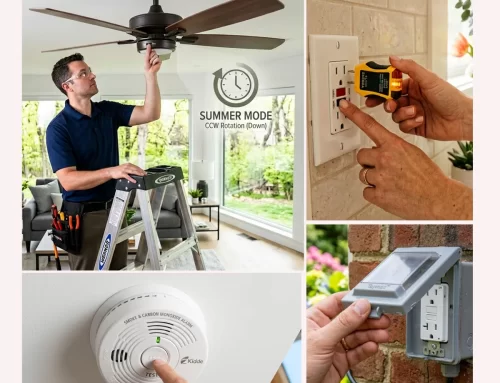
If you have aluminum wiring in your home—or if you are unsure what type of conductors are currently installed—don’t wait until a failure occurs.
Contact Interstate Electric and Solar today for an Electrical Safety Consultation in Denver, Colorado. We can professionally inspect your home, assess your specific risk level, and provide expert assistance with a complete aluminum wire remediation or replacement to safeguard your home and family.