
Zinsco Electrical Panels: Why They Fail & How to Spot Them
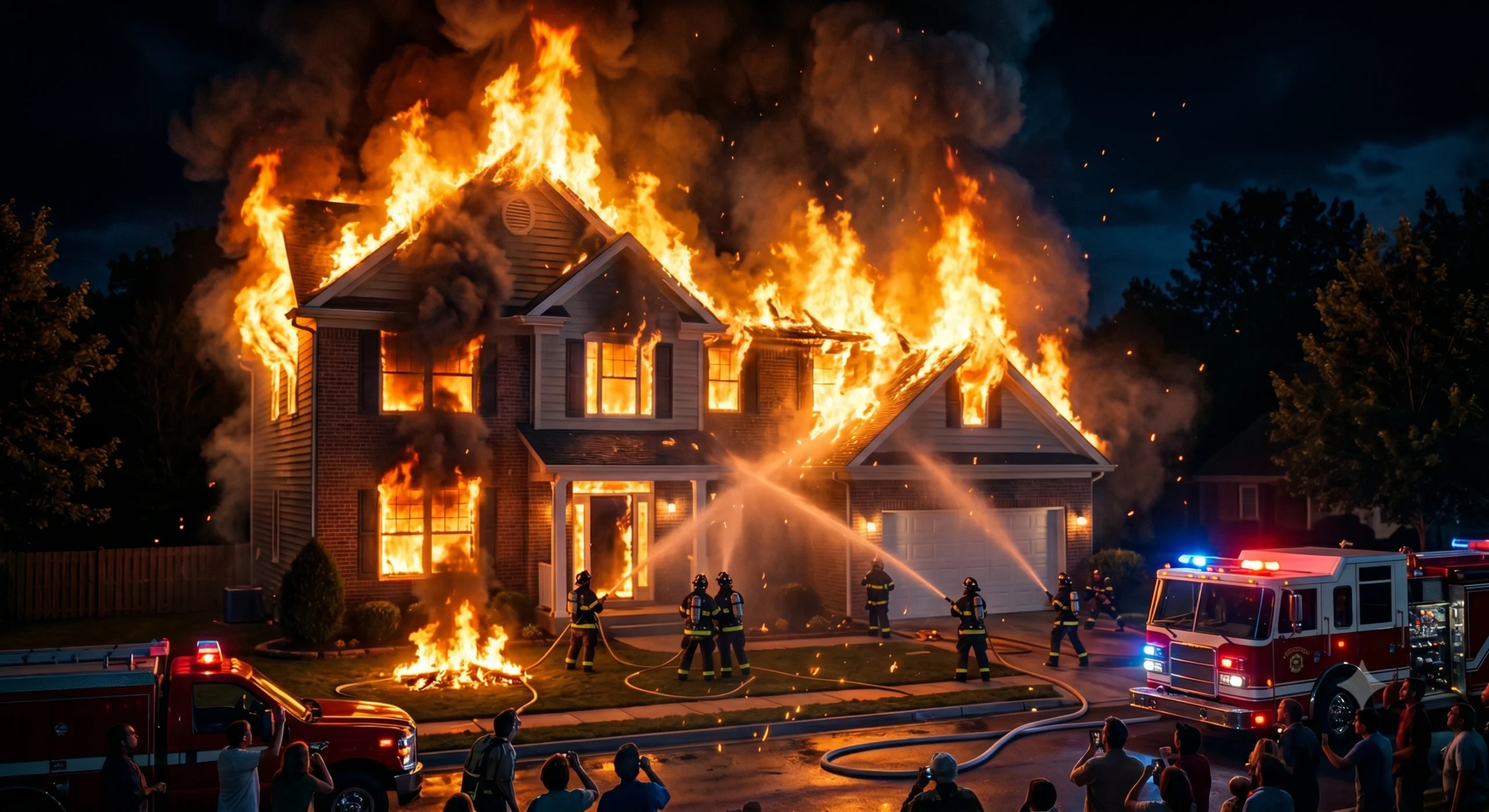
If your home was built or remodeled between the 1960s and the early 1980s, there is a ticking clock hiding inside your electrical closet.
For decades, Zinsco (sometimes labeled as Zinsco-Sylvania or GTE-Sylvania) was a go-to brand for electrical panels across North America. Millions of homes were outfitted with them. But today, the electrical industry, home inspectors, and insurance companies all agree on one thing: if you have a Zinsco panel, you need to replace it.
Here is what makes these legacy panels a major hazard, how to spot one, and what you should do next.
The Core Problem: A Faulty Design
An electrical panel’s primary job is to act as a safety net. When a circuit overloads (like running too many appliances at once), the breaker is supposed to “trip,” instantly shutting off the electricity before the wires get hot enough to spark a fire.
Zinsco panels have a fundamental engineering flaw that prevents them from doing exactly that.
Why They Fail
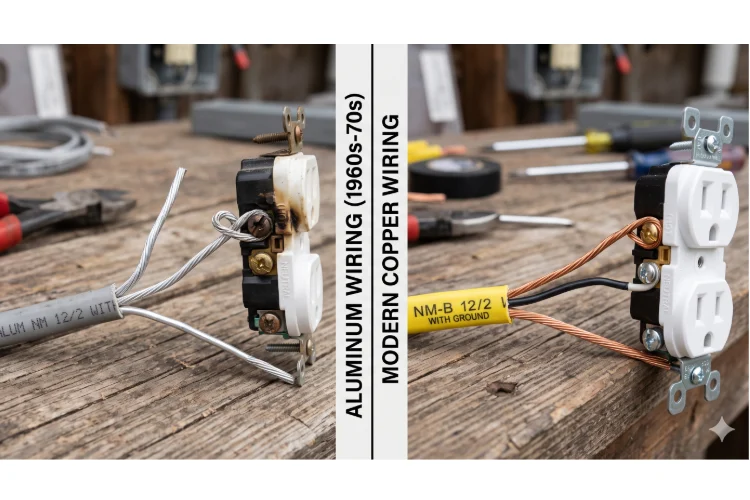
The “Welding” Effect: Zinsco breakers connect to the internal power supply (the bus bar) using unique aluminum clips. Over time, these clips expand, contract, and corrode. This creates a gap where electrical electricity can jump across, causing “arcing”—intense heat that can literally weld the breaker to the panel.
False “Off” Positions: Because the components can melt together, a breaker might fail to trip during an overload. Even worse, if you manually flip a melted breaker to the “Off” position, the internal components may still be conducting live electricity.
Modern Power Demands: The homes of the ’70s didn’t have EV chargers, high-powered HVAC systems, computers, and multiple smart appliances. Zinsco panels simply weren’t engineered to handle the heavy electrical loads of modern life.
The Scariest Part: A Zinsco panel can look perfectly fine from the outside. The failure happens silently behind the metal cover, right where the breaker clips onto the bus bar. Experts estimate these breakers fail to operate properly up to 25% of the time.
How to Identify a Zinsco Panel
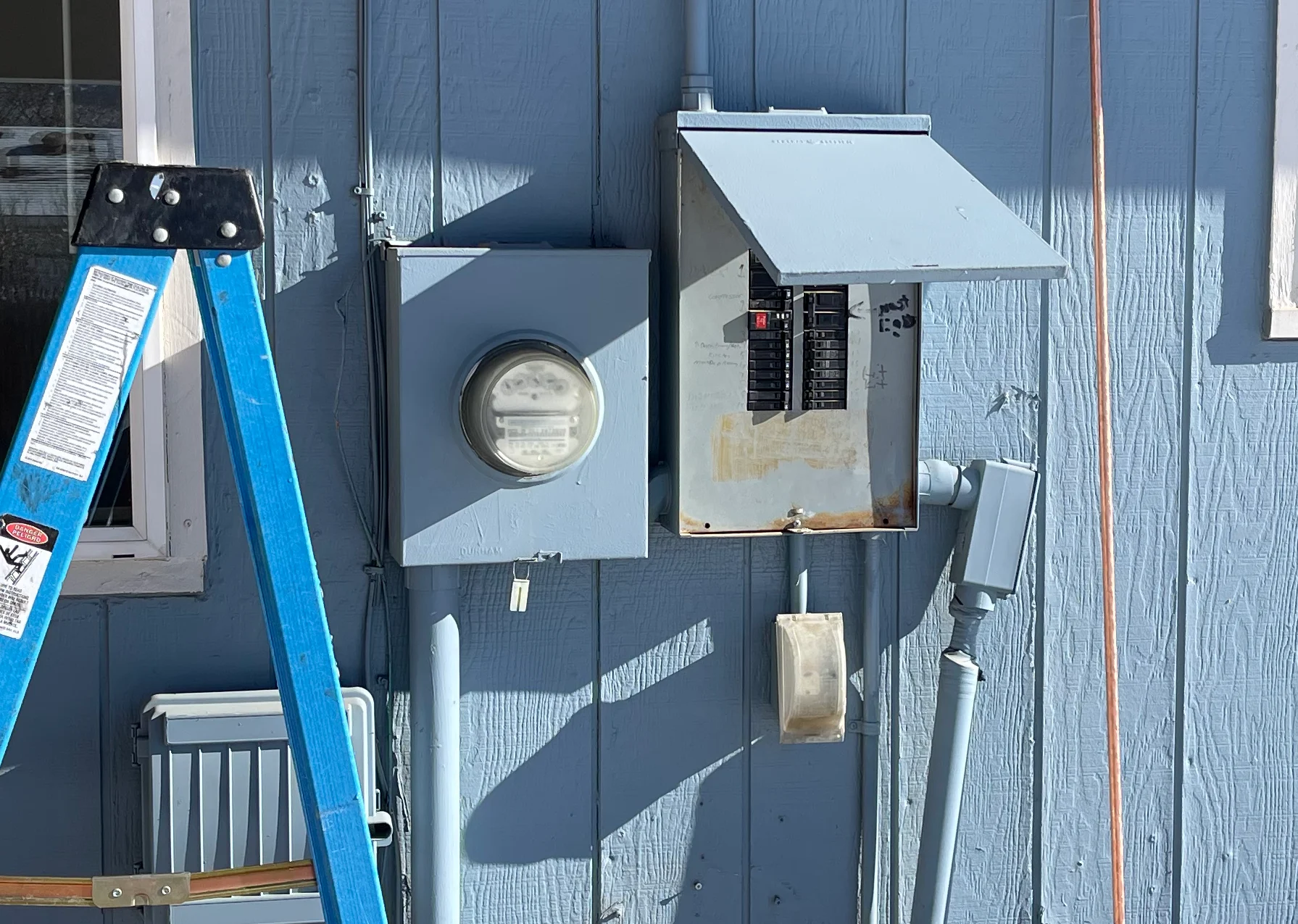
You don’t need to be an electrician to figure out if you have one of these panels. Go take a look at your breaker box and look for these telltale signs:
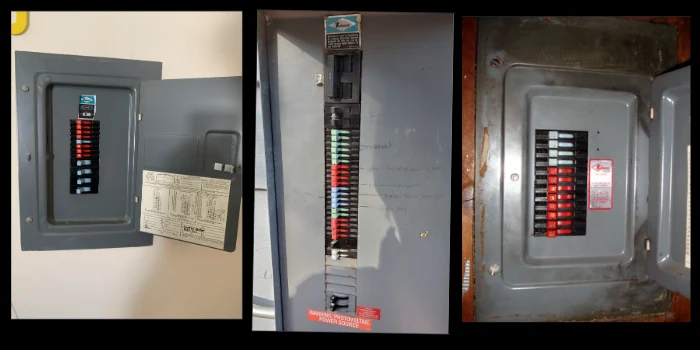
The Branding: Look for labels or stamps inside the panel door that say Zinsco, Sylvania, Zinsco-Sylvania, or GTE-Sylvania.
The Bright Colors: Zinsco panels are famous for their unique, color-coded circuit breaker toggles. If your panel features a vertical row of bright blue, red, green, and yellow switches, it’s highly likely a Zinsco.
The Insurance Headache
Aside from the obvious fire risk, keeping a Zinsco panel is becoming a major financial burden.
Insurance underwriters are aggressively cracking down on legacy electrical hazards. If you are shopping for a new homeowner’s policy or up for a renewal, many insurance companies will refuse to cover your home until the panel is replaced. Those that do offer coverage may charge significantly higher premiums.
What Should You Do?
If you suspect you have a Zinsco panel, do not attempt to pull the breakers out yourself. Because of the risk of live currents staying active even when turned off, this is strictly a job for a professional.
Call Us: We will perform a safety inspection. We can safely remove the cover and check for hidden signs of arcing, melting, or corrosion.
Budget for a Replacement: While it’s an unexpected expense, it completely eliminates a severe fire hazard and protects your home’s equity.
Upgrading to a modern, code-compliant panel ensures your electrical system is ready for modern appliances—and gives you total peace of mind.