
Expert Electrical Tips, Critical Upgrades, and Safety Guides

Electrical Safety Blog
  • 5 star review Interstate Electric and Solar

Looking for the Best Electrical Services in Littleton, CO?

February 11th, 2026|Comments Off on Looking for the Best Electrical Services in Littleton, CO?

Looking for the Best Electrical Services in Littleton, CO? Whether you’re dealing with a flickering light or planning a major commercial upgrade, finding a reliable electrician is key to your safety and peace [...]

  • Electrical Safety Tips for Thanksgiving

Thanksgiving Electrical Safety Tips

November 26th, 2025|Comments Off on Thanksgiving Electrical Safety Tips

Energize Your Thanksgiving: Electrical Safety Tips Across Denver, the spirit of Thanksgiving is in the air! Homes are soon to be buzzing with the delightful chaos of holiday [...]

  • Federal Pacific Stab-Lok Panel

What is a Federal Pacific Stab-Lok Panel and Why is it Dangerous?

November 3rd, 2025|Comments Off on What is a Federal Pacific Stab-Lok Panel and Why is it Dangerous?

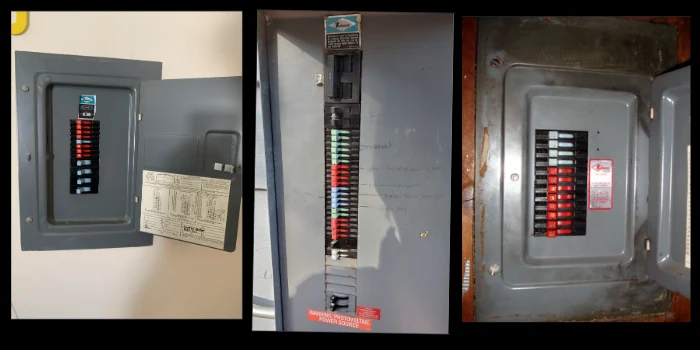
🔥 Urgent Safety Warning: Federal Pacific Stab-Lok Panels A Federal Pacific Electric (FPE) Stab-Lok electrical panel is a major fire and electric shock risk that needs to be replaced immediately.  Manufactured between the [...]

  • meter falling of the wall equals house fire

Electrical meter separated from wall could have resulted in a fire

January 27th, 2020|Comments Off on Electrical meter separated from wall could have resulted in a fire

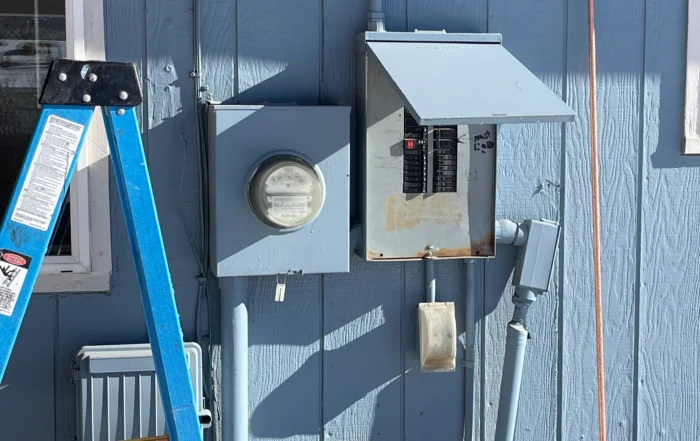
This electrical panel/meter had separated from the outside wall.  Which could have resulted in a short or a fire if not corrected. We noticed that our outside electrical panel/meter had separated from the outside wall. Upon [...]

Expert Electrical Tips & Maintenance Guides

Don’t wait for a flicker or a spark to pay attention to your wiring. Proactive maintenance saves money and prevents disaster. Our comprehensive tips cover the small but crucial habits that keep your home powered safely.

Essential Power Tips:

  • Understand Your Panel: Know the location and function of your circuit breakers. Learn how to safely shut off the main power in an emergency.
  • Prevent Overloading: Never plug multiple high-wattage appliances (like a space heater, toaster, or microwave) into a single outlet or extension cord.
  • Inspect Cords Regularly: Check all appliance and extension cords for signs of wear, fraying, or cracking. Replace damaged cords immediately—tape is never a permanent fix.
  • Handle Plugs Correctly: Always pull on the plug itself, not the cord, to disconnect an appliance. Yanking the cord can damage the internal wiring.

Critical Electrical Safety Advice: Keep Your Home Safe

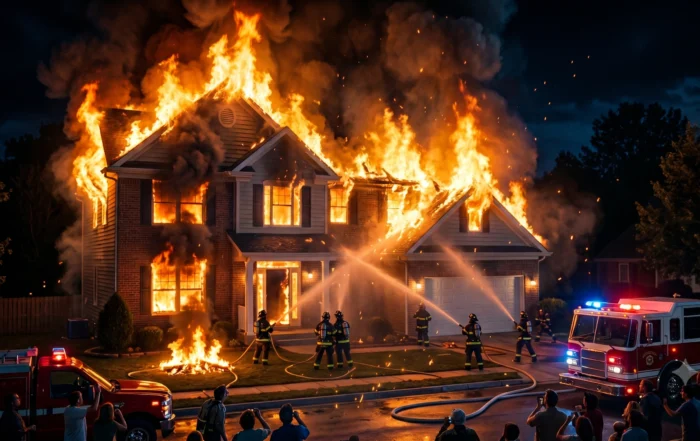
Electrical fires are a leading cause of residential property damage. Implementing critical safety measures can drastically reduce your risk and protect your family.

Critical Safety Checks You Can Do Today:

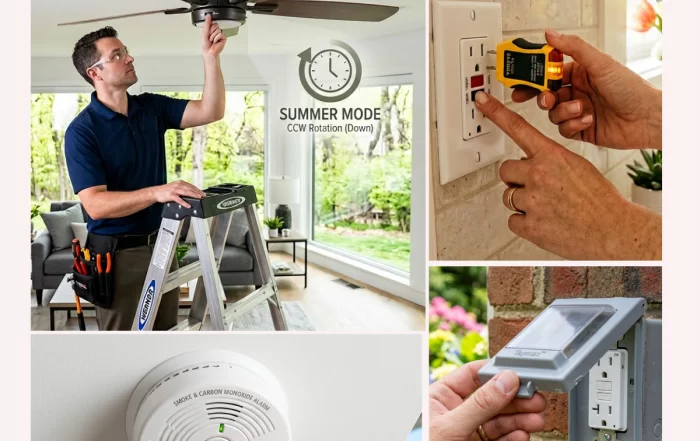
  1. Water and Electricity Do Not Mix: Keep all electrical devices and outlets away from water sources. Install and test GFCI outlets monthly using the test button.
  2. No Cord Hiding: Never run electrical or extension cords under rugs, carpets, or across doorways. Foot traffic or trapped heat can damage insulation and cause a fire.
  3. Recognize the Warning Signs: Immediately call an electrician if you notice:
    • Warm or discolored outlet covers.
    • A persistent burning or rubbery smell coming from an outlet or appliance.
    • Lights that flicker or dim frequently.
    • Buzzing or sizzling sounds from switches or the electrical panel.
  4. Extension Cords are Temporary: Use them only when necessary and never as a permanent extension of your home’s wiring.

Essential Electrical Upgrade Guide

Upgrade Why You Need It Your Next Step
Electrical Panel  To safely handle the load from new appliances, HVAC systems, and EV charging. Frequent tripping is a major red flag. Consult a licensed electrician for a professional load assessment.
EV Charger Installing a dedicated 240V circuit for a Level 2 charger provides the fastest and safest charging solution. Plan the installation location with an expert to meet code and optimize efficiency.
GFCI & AFCI GFCI (Ground Fault Circuit Interrupter): Essential for wet areas (kitchens, bathrooms, outdoors) to prevent shock. AFCI (Arc Fault Circuit Interrupter): Detects dangerous electrical arcs in wiring to prevent fires in bedrooms/living areas.
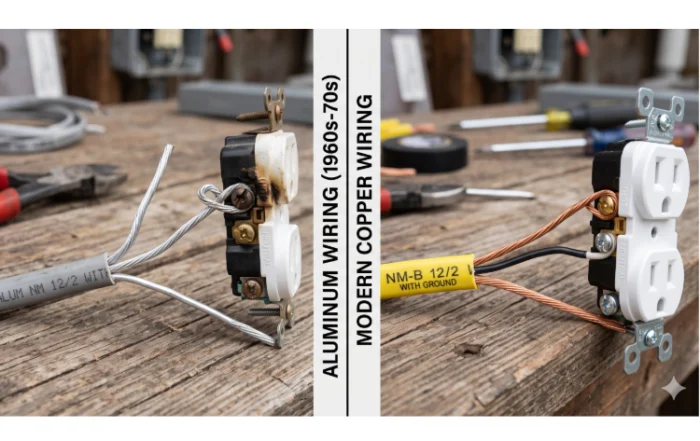
Modern Lighting & Wiring Upgrading old fixtures to energy-efficient LED lighting and replacing outdated knob-and-tube or aluminum wiring. Reduces energy bills and eliminates major fire hazards associated with old wiring.

Frequently Asked Questions (FAQ)

The NEC (or NFPA 70) is the benchmark standard for safe electrical design, installation, and inspection across the United States. We follow NFPA, NEC, and all local electrical codes to ensure your installation is safe, reliable, and up to standard with the local codes.

Common signs you need a panel upgrade include:

  • Flickering or dimming lights when appliances turn on.
  • Frequently tripping circuit breakers.
  • Use of extension cords for high-power appliances.
  • Your home has an old fuse box instead of a breaker panel.
  • GFCI (Ground-Fault Circuit Interrupter): Protects against electric shock by monitoring the current flowing through a circuit and quickly cutting power if it detects an imbalance. They are required in wet or damp locations (kitchens, bathrooms, garages, outdoors).
  • AFCI (Arc-Fault Circuit Interrupter): Protects against electrical fires by detecting dangerous arc faults (sparks) in the wiring and shutting down the circuit. They are typically required for most living areas of the home (bedrooms, family rooms, etc.).

In most jurisdictions, any major electrical work, like installing a new circuit, requires a permit and must be performed or overseen by a licensed electrician to ensure it meets safety codes and passes inspection. For safety and compliance, we always recommend hiring a professional.